

How to Organize Your Space for Better Wellbeing

Across cultures, preparing the home for a new year has always carried symbolic meaning. From Japan’s Ōsōji to Scandinavian minimalism, clearing physical space has long been associated with welcoming clarity, calm, and renewal.
Today, psychology confirms what tradition already knew: an organized environment can reduce stress, improve focus, and support emotional well-being. Creating a cozy home reset for 2026 isn’t about becoming an ultra-organized person — it’s about building systems that support real life.
A healthy home environment plays a direct role in emotional balance and stress reduction, helping daily life feel lighter and more intentional
(https://mhanational.org/resources/creating-a-healthy-home-environment/).
1. Start with the space that holds you
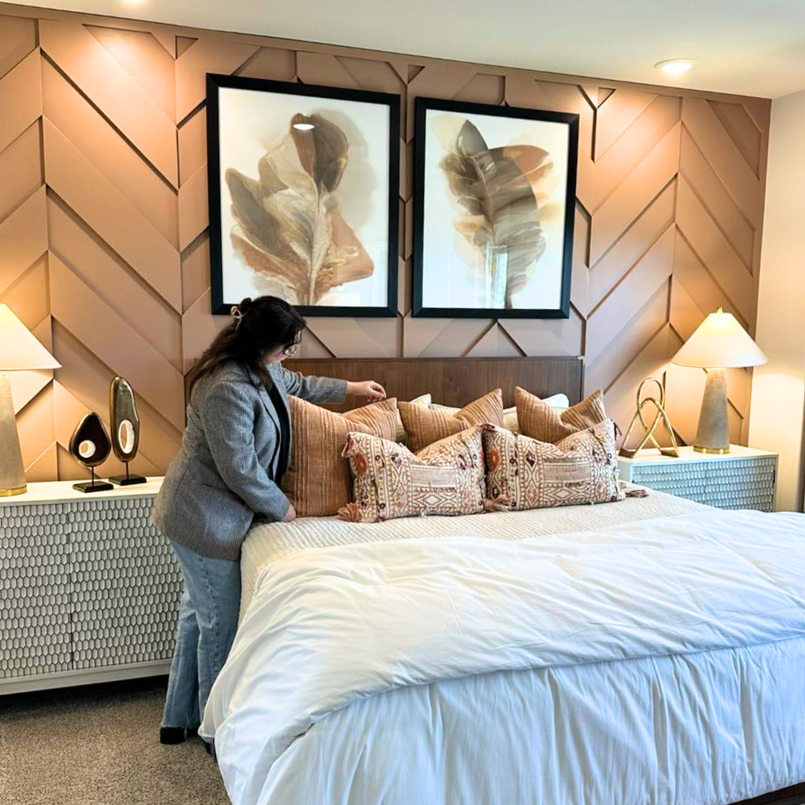
Most habits begin with morning and night routines for a reason, your bedroom is where the body rests and the nervous system resets.
Simple furniture and layout choices can significantly change how the space feels:
- Leave 60–70 cm (24–28 inches) of space on each side of the bed for easy movement
- Keep nightstands at mattress height or slightly lower
- Limit visible items to the essentials: a lamp, a book, and water
Research on the mental health benefits of an organized home shows that calm, uncluttered environments are associated with lower stress levels and improved focus, even during rest and sleep
(https://flourish-living.com/mental-health-benefits-of-an-organized-home/).
2. Visual order creates mental clarity
Mirrors, desks, and open surfaces reflect more than light — they reflect mental load.
When visual spaces are overcrowded:
- the brain remains in alert mode
- concentration decreases
- rest becomes less restorative
Experts explain that clutter and disorganization are often linked to irritability and mental fatigue, while organized spaces support emotional calm and clarity
(https://alliancehealthequity.org/why-getting-organized-is-good-for-your-mental-health/).
This is why organization isn’t just an aesthetic preference — it’s a wellness tool.
3. Fewer decisions, more calm
One of the most common organizing mistakes is assuming that more containers will solve the problem.
In reality, sustainable order comes from reducing decisions, not adding storage:
- clear categories
- simple systems
- defined homes for each item
Mental health professionals note that decluttering can reduce anxiety and create a stronger sense of control by eliminating constant visual and cognitive stimulation
(https://www.webmd.com/mental-health/mental-health-benefits-of-decluttering).
4. Edit before you add
Scandinavian organizing principles emphasize a powerful idea: less, but better.
This means:
- letting go of what you didn’t use in the last year
- donating items in good condition
- releasing belongings tied to past versions of yourself
Studies show that a clutter-free environment not only improves focus but also boosts mental energy, helping people feel more grounded and present
(https://cluttercutdown.co.uk/the-psychological-benefits-of-a-clutter-free-home/).
5. Small systems that make order sustainable
Homes that stay organized don’t rely on motivation — they rely on systems:
- one dedicated laundry day per week
- a 30-minute weekly reset session
- simple meal planning
- assigned zones for everyday items
Psychologists highlight that systems reduce mental load, allowing the brain to conserve energy for creativity, focus, and meaningful decisions
(https://milehighpsychiatry.com/spring-cleaning-for-your-mind-mental-health-benefits-of-decluttering/).
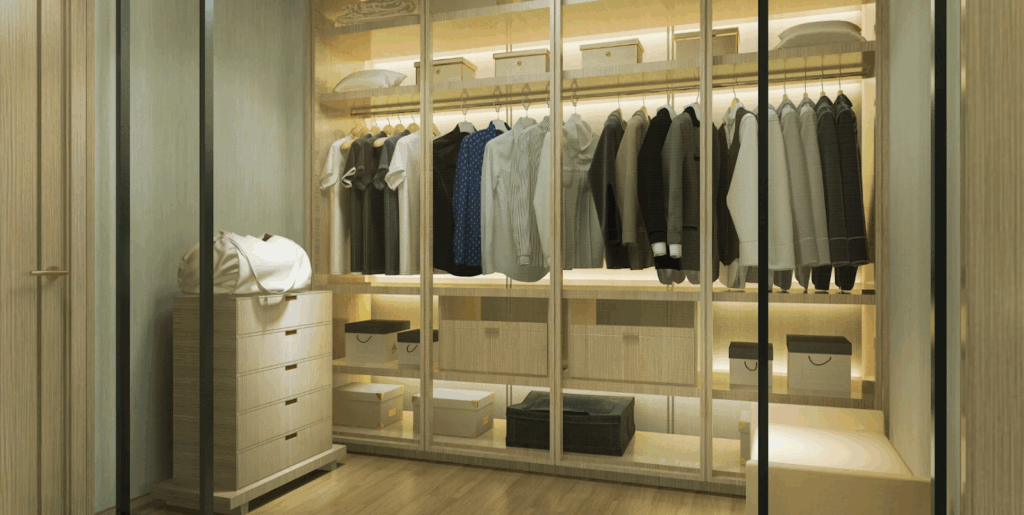
Home Reset Checklist
- ☐ Clear visual surfaces
- ☐ Assign one category per container
- ☐ Label consistently
- ☐ Schedule a weekly reset
- ☐ Edit before adding new items
Organizing your home isn’t a perfection project.
It’s about reducing friction, protecting your energy, and creating an environment that quietly supports your goals.
When your space works with you instead of against you, your intentions for 2026 become clearer — and far more sustainable.
Ready to reset your space?
Start with one room, one system, and one small decision at a time.