

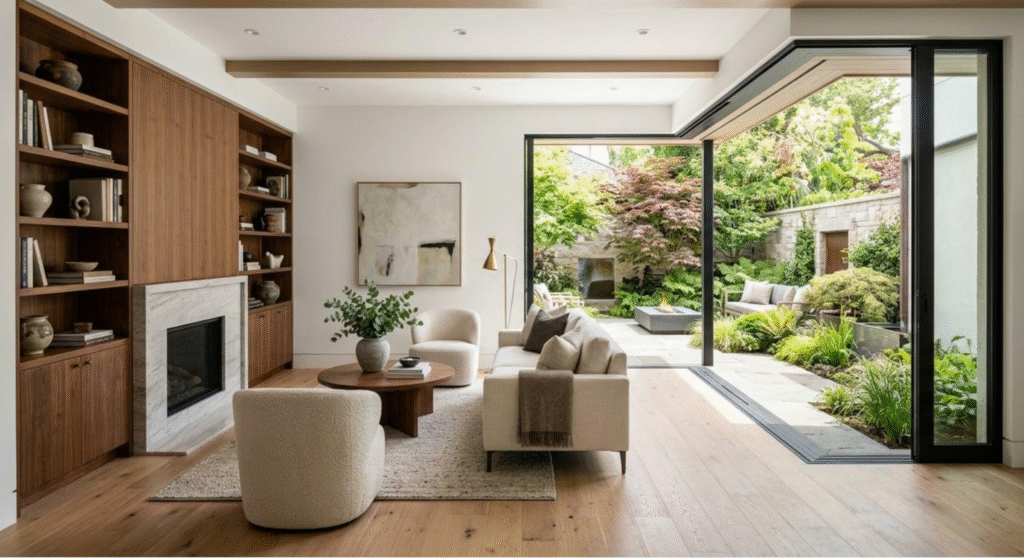
Real Estate Lifestyle Marketing is about more than presenting rooms and property features. It is about helping potential buyers understand how a home could fit into their everyday lives. When a listing communicates not only what a property offers but also what living there might feel like, it can create a more memorable and meaningful first impression.
As we close our Seasonal Styling – Listings That Pop series, the focus shifts from individual styling decisions to the bigger picture: presenting a property in a way that connects its features with the lifestyle a buyer may be looking for.
Real Estate Lifestyle Marketing: Help Buyers See the Possibilities
A home is both a physical space and the setting for everyday routines, celebrations, quiet mornings, and time with family or friends. Effective property presentation helps buyers recognize those possibilities without making promises the property cannot fulfill.
The National Association of REALTORS® reported in its 2025 Profile of Home Staging that 83% of buyers’ agents said staging made it easier for buyers to visualize a property as their future home. This highlights the value of presentation in helping people connect with a space. Read the NAR report.
For real estate professionals, the opportunity is to move beyond a list of features and show how those features support different ways of living.
Tell the Story Behind the Space
Instead of describing a room only by its size or finishes, consider what makes it useful and distinctive.
A sunlit breakfast area might be presented as a comfortable place to start the day. A flexible office can demonstrate how a room supports working from home. A well-connected living and dining area may be ideal for entertaining, while a quiet outdoor corner can suggest a place to unwind.
The aim is not to invent a story for every room. It is to identify the property’s genuine strengths and communicate them clearly.
Real estate agents can use this approach in listing descriptions, property tours, brochures, and conversations with prospective buyers. Specific, truthful details are more persuasive than generic claims about a home being perfect for everyone.
Match the Presentation to the Property’s Location
Location influences how people use their homes, and this can shape the way a listing is presented.
In Florida, a property’s outdoor living areas, proximity to local amenities, or connection between indoor and outdoor spaces may be important features to highlight when they genuinely apply. In Dallas, buyers may appreciate features such as flexible living spaces, dedicated home offices, entertaining areas, or access to the neighborhood amenities that matter to them.
These are not universal preferences, so the presentation should reflect the individual property and its likely audience rather than relying on assumptions.
For listings in both markets, local context can make the story more concrete. Mention verified neighborhood features, nearby parks, convenient access routes, or community amenities when relevant. Avoid implying that a property includes access or benefits that have not been confirmed.
Create a Consistent Experience From Listing to Showing
The story a buyer sees online should feel consistent with the experience of visiting the property in person.
A listing may feature inviting photography and a thoughtful description, but a disorganized showing can interrupt that first impression. Clear access instructions, a clean and ready interior, functioning lights, and well-maintained outdoor areas all help the property feel cared for.
Consistency also matters across marketing materials. The listing description, photographs, virtual tour, and in-person presentation should reinforce the same real features and overall character.
For real estate professionals, coordinating these details can require communication with homeowners, cleaners, maintenance providers, landscapers, and other vendors. A clear preparation timeline helps ensure the property is ready when marketing and showings begin.
Seasonal Styling Should Support the Home, Not Define It
Seasonal details can make a property feel current, but they should never become the entire story.
A few warm textures or a well-presented outdoor area may complement a fall listing. However, the strongest presentation also considers the property’s architecture, functionality, natural light, and location. The goal is to create a welcoming environment that feels appropriate to the home and allows buyers to imagine making it their own.
This is where seasonal styling connects to the larger marketing strategy: the details support the property’s identity rather than distracting from it.
As the seasons change, the presentation can be refreshed without completely redesigning the space. Keeping the property’s core appeal at the center makes the listing feel relevant beyond a single season.
Why Property Preparation Matters to Real Estate Professionals
A compelling listing often depends on work that happens before it goes live. Cleaning, maintenance, vendor scheduling, furniture or accessory coordination, and final walkthroughs all contribute to the property’s readiness.
When these responsibilities are spread across multiple people, even small tasks can be overlooked. Organized coordination helps agents and homeowners manage the process more efficiently and focus on pricing, marketing, client communication, and the transaction itself.
AW Concierge supports homeowners and real estate professionals in Florida and Dallas with property preparation, vendor coordination, project management, and lifestyle services. By helping organize the details behind the scenes, the team helps clients prepare properties for the next stage with greater ease.
Frequently Asked Questions
1. What is real estate lifestyle marketing?
Real estate lifestyle marketing presents a property’s features in the context of how people might use and experience the space. It combines accurate property information with relevant details that help prospective buyers understand its potential.
2. How can realtors help buyers picture themselves in a home?
Realtors can highlight the property’s genuine strengths, explain how rooms can be used, provide clear and accurate listing information, and ensure the online presentation is consistent with the in-person experience.
3. Does lifestyle marketing replace traditional property staging?
No. Lifestyle marketing is a broader approach to communicating a property’s appeal. Staging may support that approach, but the overall strategy can also include photography, listing descriptions, virtual tours, neighborhood information, and a well-coordinated showing experience.
4. Why is property preparation important before a listing goes live?
Preparation helps ensure that the home is clean, maintained, accessible, and ready to be photographed or shown. Coordinating these tasks in advance can reduce last-minute issues and support a more consistent presentation.
5. Can AW Concierge assist with property preparation in Florida and Dallas?
Yes. AW Concierge offers property-related coordination and lifestyle services designed to help homeowners and real estate professionals manage preparation, vendors, and practical details. Contact the team to discuss the needs of a specific property.
From Seasonal Styling to a Stronger Property Presentation
A memorable listing does more than show buyers what a property looks like. It helps them understand its possibilities while remaining accurate, relevant, and true to the home.
As our Seasonal Styling – Listings That Pop series comes to a close, the central takeaway is that thoughtful presentation works best when every detail supports the property’s story. With the right preparation and coordination, homeowners and real estate professionals can create a more cohesive experience from the first online impression to the in-person showing.
AW Concierge helps coordinate the details that bring property preparation together. Whether you are preparing a home in Florida or Dallas, connect with our team to learn how our property and lifestyle services can support your next project.