

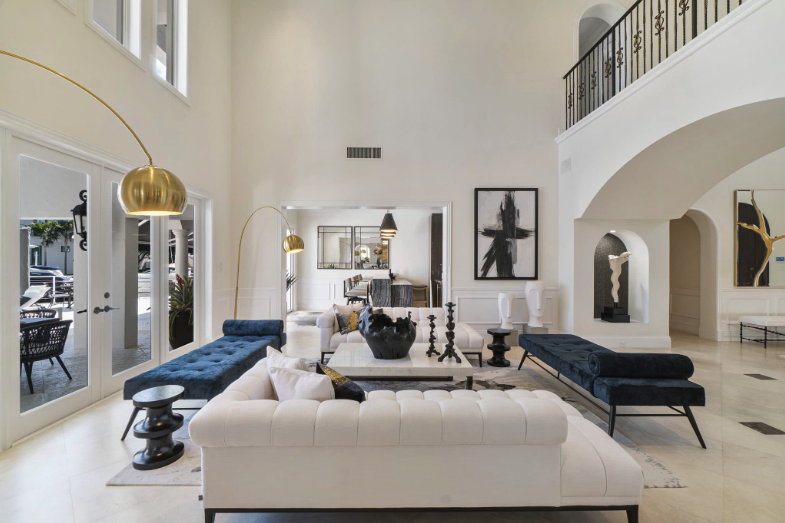
Seasonal staging can help a property feel inviting, current, and ready for the market without requiring a complete redesign. For homeowners, realtors, and brokers, the key is knowing which details enhance a listing and which ones distract from its strongest features.
As the fall season arrives, small changes in color, texture, lighting, and décor can refresh a home’s presentation. However, successful staging is not about filling rooms with pumpkins, themed accessories, or seasonal decorations. It is about creating a cohesive environment that helps potential buyers appreciate the property and imagine themselves living there.
Whether you’re preparing a listing in Florida, Dallas, or another market, the best seasonal staging choices complement the home, reflect its surroundings, and keep the buyer’s attention where it belongs: on the property.
Seasonal Staging: What to Add and What to Avoid
Seasonal staging works best when it feels intentional rather than decorative for decoration’s sake. Every item should serve a purpose, whether that means adding warmth, highlighting a room’s function, or creating a welcoming first impression.
According to the National Association of REALTORS®’ 2025 Profile of Home Staging, 83% of buyers’ agents reported that staging made it easier for buyers to visualize a property as their future home. This reinforces the value of presenting spaces in a way that helps buyers understand their potential.
You can read more in the National Association of REALTORS®’ consumer guide to staging a home for sale.
The objective is not to make every room look seasonal. It is to make the entire property feel considered, comfortable, and market-ready.
1. Add Seasonal Textures Instead of Excessive Decorations
One of the easiest ways to introduce a seasonal atmosphere is through texture.
Soft fabrics, natural materials, and subtle layers can make a room feel warmer without changing its overall design.
What to add:
- Neutral throws in cream, taupe, or warm brown
- Textured cushions that complement existing furniture
- Natural wood accents
- Woven baskets for practical storage
- Soft bedding that creates a comfortable, inviting appearance
What to avoid:
- Too many decorative pillows
- Heavy fabrics that make a room feel crowded
- Clashing seasonal colors
- Accessories that compete with architectural details
For example, a neutral living room may benefit from one textured throw and a complementary cushion rather than several themed accessories. The result feels seasonal but remains appealing beyond October.
The guiding principle is simple: use texture to create atmosphere, not clutter.
2. Choose a Cohesive Color Palette
Seasonal colors can introduce warmth, but they should work with the property’s existing finishes.
Rather than automatically choosing bright orange, red, and dark brown, consider a palette that complements the walls, flooring, cabinetry, and natural light.
Colors That Work Well for Seasonal Styling
- Warm white and cream
- Muted terracotta
- Soft olive and sage green
- Natural beige
- Warm wood tones
- Subtle caramel accents
These shades can create a fall-inspired look without making the property feel overly themed.
What to Avoid
Avoid introducing several unrelated colors simply because they are associated with autumn. A coordinated palette generally creates a more polished presentation than a collection of seasonal objects purchased individually.
For real estate professionals managing multiple listings, a consistent approach to color can also make property preparation easier to coordinate.
3. Keep the Entryway Welcoming, Not Overdecorated
The entryway establishes the tone before buyers see the rest of the home.
A clean entrance, maintained landscaping, and thoughtful details can create a strong first impression without requiring extensive decoration.
Consider adding:
- A simple seasonal wreath
- Fresh or well-maintained greenery
- Clean, coordinated planters
- A neutral doormat
- Functional exterior lighting
Avoid:
- Oversized holiday displays
- Excessive signs
- Crowded porches
- Decorations that obstruct pathways
- Items that conceal the home’s entrance or architectural features
In Florida, where outdoor areas remain an important part of everyday living during fall, a well-maintained entrance can be especially effective when paired with attractive landscaping and comfortable outdoor spaces.
For listings in Dallas, seasonal planters and understated autumn accents may complement the changing landscape without overwhelming the home’s exterior.
In both markets, the goal is to make the property feel cared for and inviting.
4. Style Outdoor Spaces for the Local Climate
One seasonal staging mistake is assuming every property should follow the same fall decorating formula.
The climate, architecture, and intended use of the property should influence the styling decisions.
For Florida Listings
Focus on the outdoor lifestyle buyers can enjoy throughout much of the year:
- Clean patio furniture
- Inviting outdoor dining areas
- Well-maintained poolside spaces
- Fresh greenery
- Subtle evening lighting
- Comfortable seating arrangements
Heavy blankets and cold-weather accessories may feel out of place in a warm-weather setting. Instead, highlight how the outdoor areas can be used for entertaining, relaxing, or spending time with family.
For Dallas Listings
Depending on the property’s features and the weather, consider:
- A welcoming covered porch
- Neutral outdoor cushions
- Seasonal planters
- A clean and organized patio
- Warm lighting near the entrance
- A thoughtfully arranged outdoor seating area
The styling should reflect the home’s actual environment rather than imitate a generic seasonal display.
Local relevance matters more than following a decorating trend.
5. Prepare Every Room for Photography
Seasonal staging must work in listing photographs as well as in person.
An arrangement that looks attractive from one angle may create visual clutter when photographed. Strong colors, reflective surfaces, oversized decorations, and too many accessories can compete with the room’s most important features.
Before photography, review each space from the angles the photographer is likely to use.
Ask yourself:
- Does the styling highlight the room’s purpose?
- Can buyers clearly see the windows and architectural details?
- Does the space still feel open?
- Are the colors cohesive?
- Are any objects distracting from the main feature?
Pay particular attention to living rooms, primary bedrooms, kitchens, and dining areas.
The National Association of REALTORS® identifies these among the rooms most commonly staged in its 2025 Profile of Home Staging. Prioritizing them can help sellers and real estate professionals focus their preparation efforts.
Sometimes removing one decorative item improves a photograph more than adding another.
A Seasonal Staging Checklist for Real Estate Listings
Before photographing or showing a property, use this checklist to evaluate its presentation.
Interior
- Remove unnecessary accessories and personal items.
- Introduce a coordinated seasonal color palette.
- Use texture rather than excessive decoration.
- Keep kitchen counters and dining surfaces functional.
- Make sure each room has a clear purpose.
- Check that seasonal décor complements the existing furnishings.
Exterior
- Clean the entrance and walkways.
- Refresh planters and maintain landscaping.
- Arrange outdoor furniture to show how the space can be used.
- Check exterior lighting.
- Remove decorations that obstruct important features.
Photography and Showings
- Review each room from the camera’s perspective.
- Remove items that create visual distractions.
- Ensure rooms feel open and comfortable.
- Keep the styling consistent throughout the property.
- Confirm that seasonal details suit the local climate.
This approach helps homeowners and real estate professionals make practical decisions without turning seasonal preparation into a costly redesign.
What Real Estate Professionals Should Remember
Seasonal staging is most effective when it supports the property’s marketing strategy.
For realtors and brokers, that means considering the target audience, local market, property features, photography requirements, and available preparation budget before making styling decisions.
A smaller, well coordinated refresh may be more appropriate than a complete seasonal makeover. In other cases, a property may benefit more from decluttering, cleaning, minor repairs, or improved lighting than from additional décor.
The goal is to prioritize changes that improve the overall presentation.
For busy homeowners and real estate professionals, having a clear plan and reliable support for the details, can make property preparation more manageable.
Effective seasonal staging is not about adding more decorations. It is about making thoughtful choices that improve the way a property looks, feels, and photographs.
By choosing complementary textures, maintaining a cohesive color palette, preparing outdoor spaces for the local climate, and avoiding unnecessary clutter, homeowners and real estate professionals can create a more inviting presentation without losing sight of the property’s best features.
Whether you’re preparing a listing in Florida, Dallas, or another market, Seasonal Staging should support the home’s story, help buyers imagine themselves living there, and make every detail feel intentional.
Preparing a Property for Its Next Listing?
AW Concierge helps homeowners and real estate professionals coordinate property preparation, vendors, projects, and the details that help a home become ready for its next chapter.
From managing service providers to coordinating property related tasks, our team helps simplify the work behind the scenes so you can focus on your clients and priorities.
Contact AW Concierge to learn how we can help coordinate your next property preparation project.